

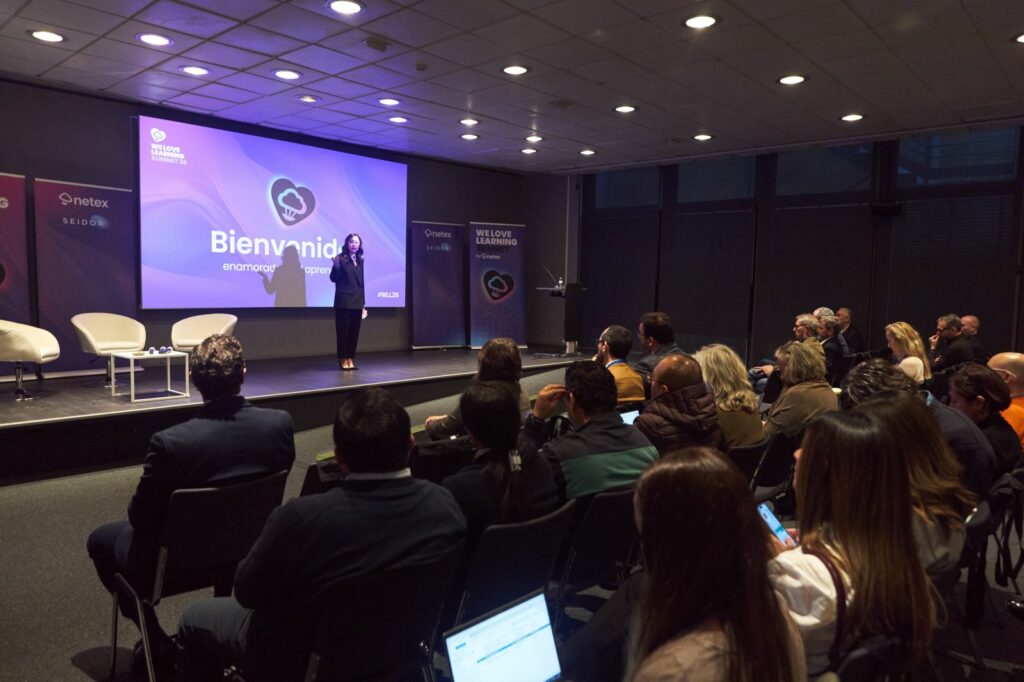
Corporate learning is at a turning point. Artificial intelligence has started to take on tasks that, until recently, defined entire roles, while other, less visible but critical capabilities are gaining importance in decision-making and work organisation. This reshaping of tasks and skills was the common thread running through the 13th edition of We Love Learning Summit, held on 5 February in Barcelona and integrated for the first time into the EdTech Congress.
The event brought together more than 150 HR and Learning & Development leaders to discuss how organisations are adjusting their training models in response to this new reality.
AI changes tasks, not strategy
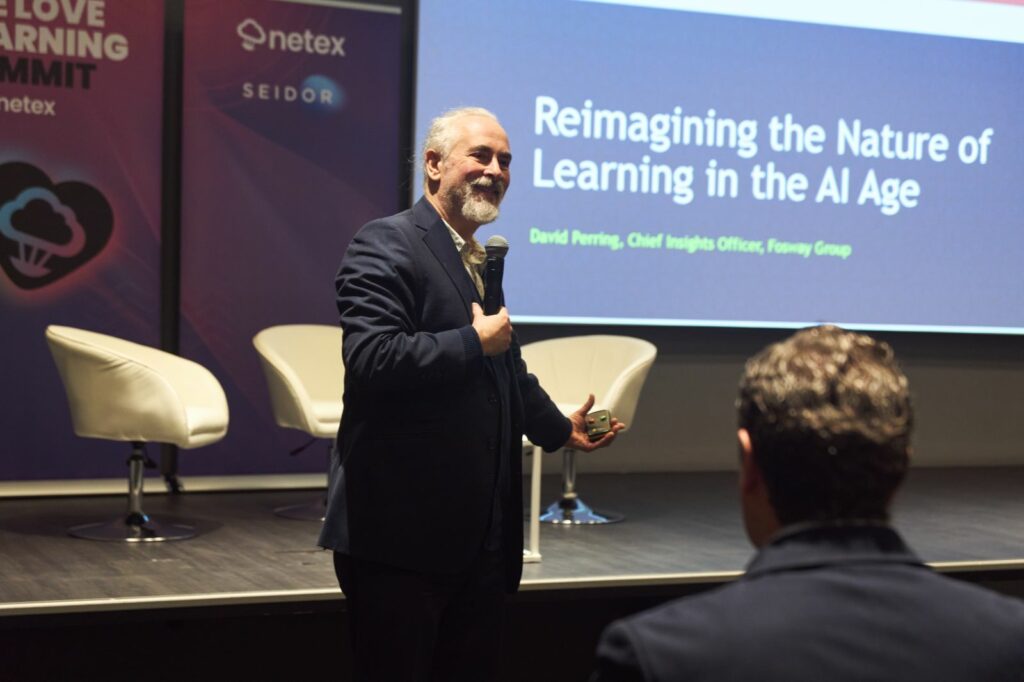
The opening keynote was delivered by David Perring, Chief Insights Officer at Fosway Group and one of the most influential voices in the European L&D market. His core message was clear: AI is not “improving” work, it is redistributing it. First, because it already performs tasks autonomously, forcing organisations to rethink which parts of the job still depend on people. Second, because L&D teams must start identifying the new skills organisations need when roles are no longer stable, from critical thinking and decision-making to adaptability. And third, because the real risk is not being slow to adopt AI, but adopting it without a learning framework, delegating responsibilities to technology that remain both strategic and human.
Technology makes it possible to scale and personalise learning, but its effectiveness depends on clear priorities being defined upfront. This idea ran through many of the subsequent sessions, particularly in the sector roundtables, where speakers agreed that AI does not replace strategy, it demands greater precision.
Improving the patient experience through learning
One of the standout moments of the day was the presentation of READY, a project developed by Hospital Clínic de Barcelona with technological support from Netex. The initiative demonstrated how learning can be embedded into complex healthcare processes. The Clínic works with young people living with type 2 diabetes and, through READY, has begun to “prescribe” personalised learning as a complement to medical care.
Led by Manel Mateu Salat, endocrinologist at the Department of Endocrinology and Nutrition, and Marc Caballero, clinical nutritionist, the project is built around an app that integrates clinically validated content in multiple languages, tailored to young and diverse profiles.
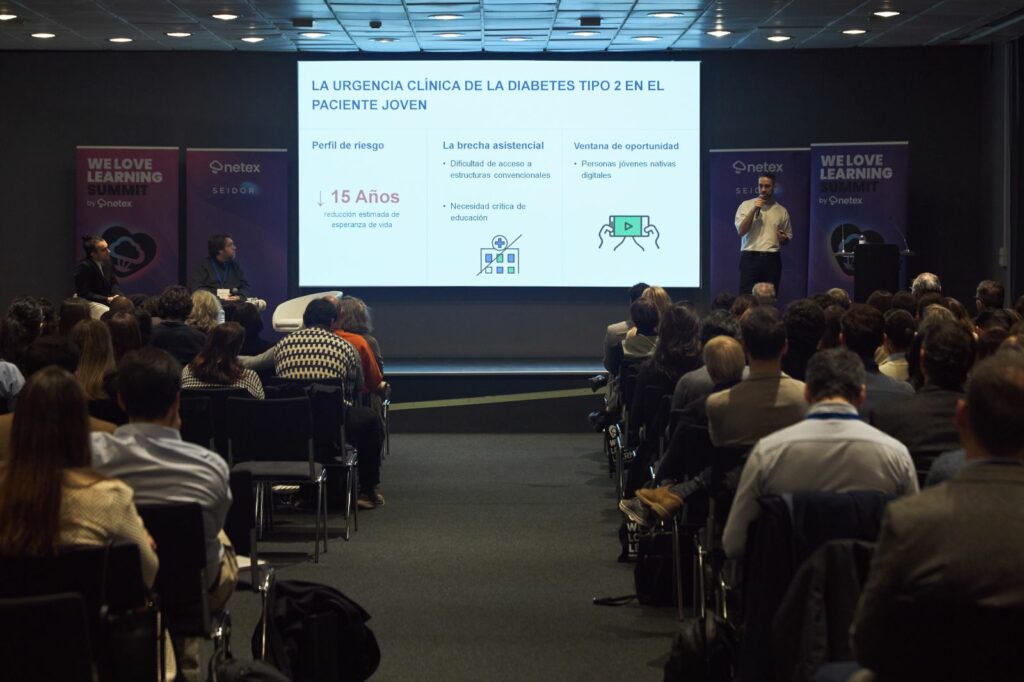
During the session, a patient involved in the READY programme shared its practical value. “Having weekly follow-up and knowing I could progress step by step helped me cope better. In consultations you don’t always ask everything or retain all the information. These resources let you build knowledge calmly, knowing it has been reviewed by specialists,” he explained to attendees.
One of the most applauded talks of the Summit, the session showed how rigorous learning design can be integrated into high-pressure environments and contribute to greater understanding and patient autonomy.
Supporting young talent before entering the labour market
ACCIONA presented the second case study of the day, focused on young talent, one of the main concerns for large organisations. Each year, more than 15,000 students interact with the company through universities and internship programmes. Building on this initial contact, ACCIONA decided to structure a learning pathway to support young people at the start of their professional journey.
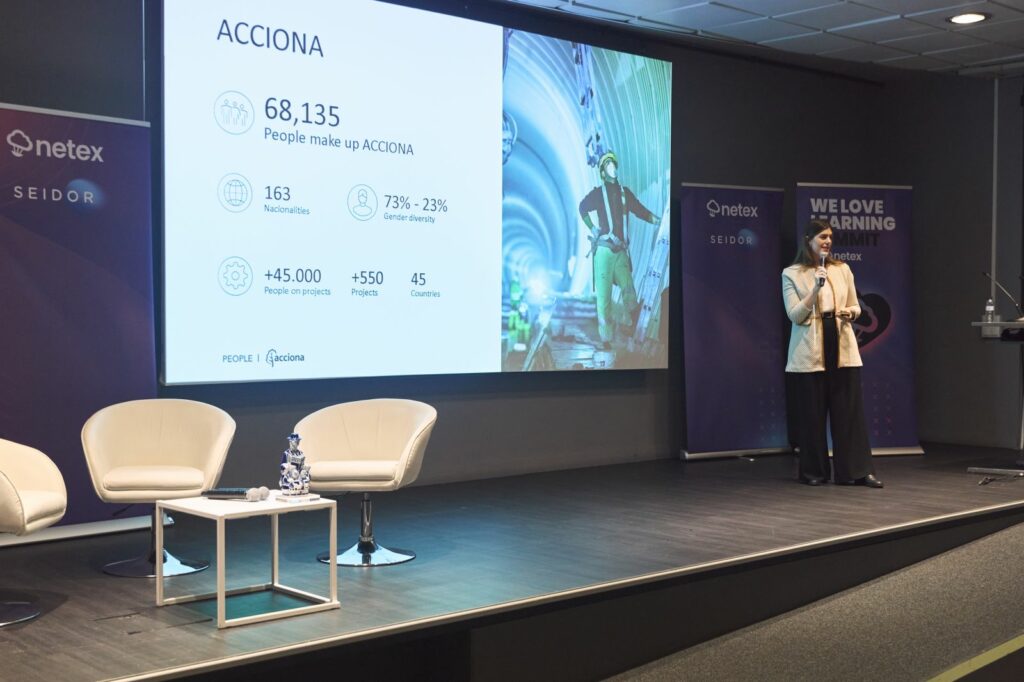
“The goal is to attract and retain the best talent with a learning proposition that genuinely helps them,” explained Laura Hermosilla, Corporate HR Projects Manager at ACCIONA. Designed as a practical guide to early career steps, the programme achieved 97% satisfaction and an 80% recommendation rate in its pilot phase.
“We don’t see this as an investment, but as a contribution to society. These are people at the beginning of their careers, and we can offer them guidance regardless of whether they end up working with us,” Hermosilla added.
Personalisation and business focus in banking
The sector roundtables provided a more operational perspective on current challenges. In the banking session, Ramón García Espeleta, Head of People Development and Transformation at CaixaBank, and Federico González, Director of Talent and Culture at Banco Sabadell, agreed that AI is changing how learning is delivered, but not where it starts.
“The impact of AI is huge, but strategy still begins with what the business needs and what people need,” said García Espeleta, highlighting hyper-personalisation as one of technology’s main advantages.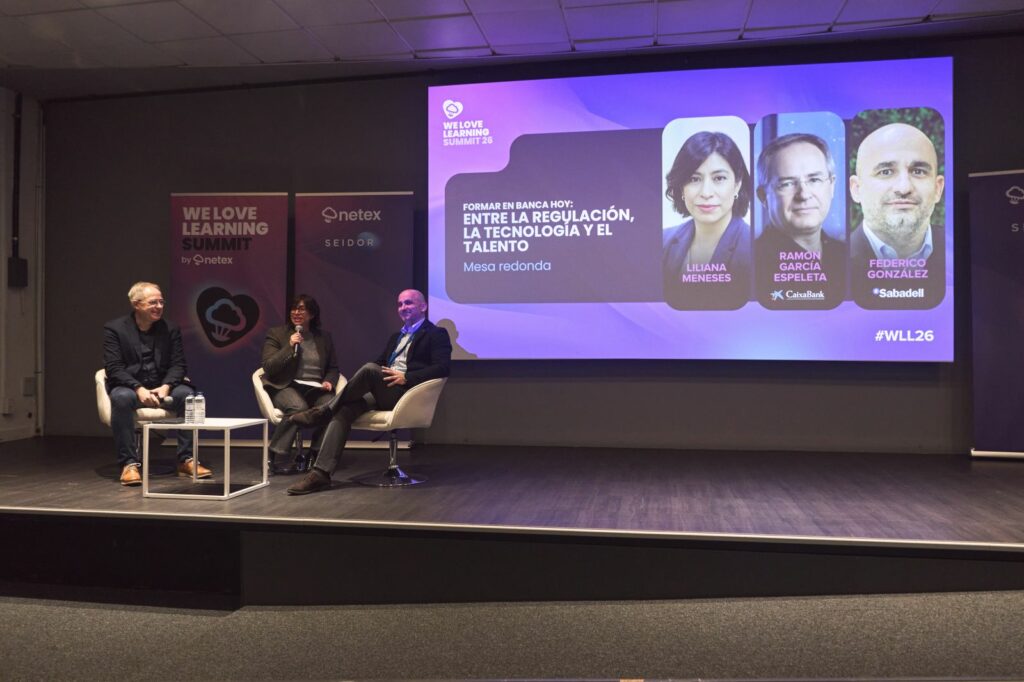
From Banco Sabadell, González stressed that many programmes fail because of their design. “Learning often falls short not because of technology, but because of how it’s conceived and personalised. People want it to be useful. Personalisation allows us to deliver the right information at the right time,” he noted.
Both emphasised that management and leadership skills now play a central role in organisations. “Until recently, hard skills were technological. Today, management skills are the new power skills,” said García Espeleta. González was even more direct: “Training is not a cost; it’s a lever for achieving business objectives.”
Frontline teams, onboarding and turnover
The second roundtable at We Love Learning Summit 2026 focused on frontline teams. Carlos de la Rosa, Development Manager at JD Sports, and Susanna Vidal, Head of Development and Internal Communication at Moventia, discussed how learning influences customer experience and talent retention in high-turnover environments.
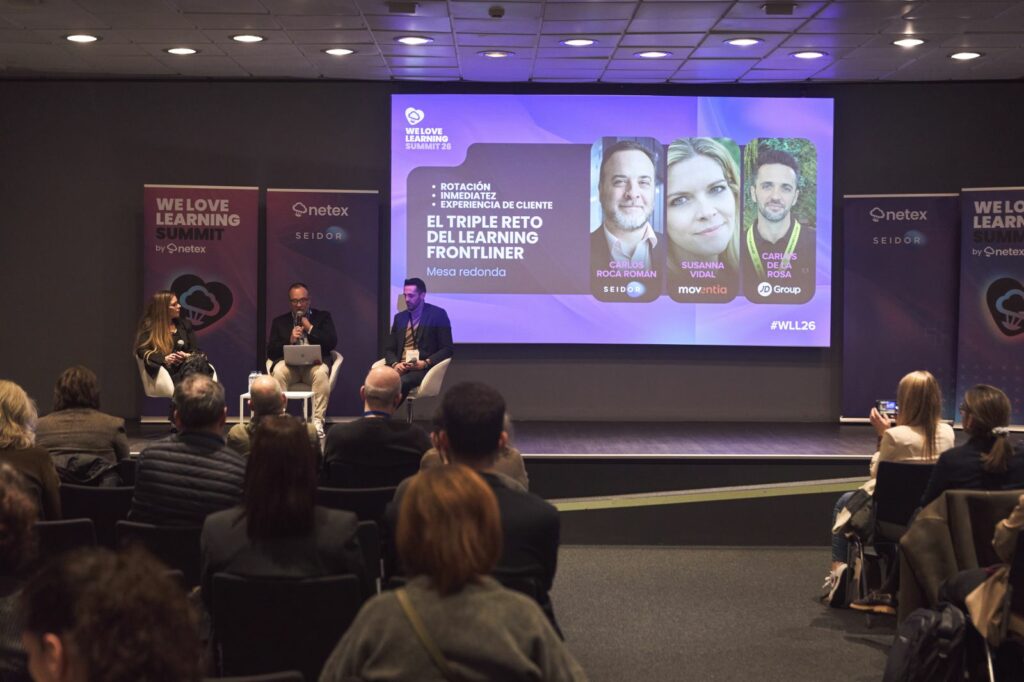
“We have three generations coexisting in the labour market. If people don’t find an environment where they can grow and evolve, they move on,” explained De la Rosa, who advocated the use of technology to support self-directed learning and onboarding.
From Moventia, Vidal highlighted the importance of the onboarding moment. “A large part of turnover comes from not feeling prepared. Onboarding is critical. Either you show that you invest in people through learning, or they will leave,” she said.
From role to skill
The Summit closed with a session led by Davide Conforti and Licia Pascucci, Managing Director and Account Manager at EdFlex, who explored the shift towards skills-based learning models in a context where roles are increasingly unstable.
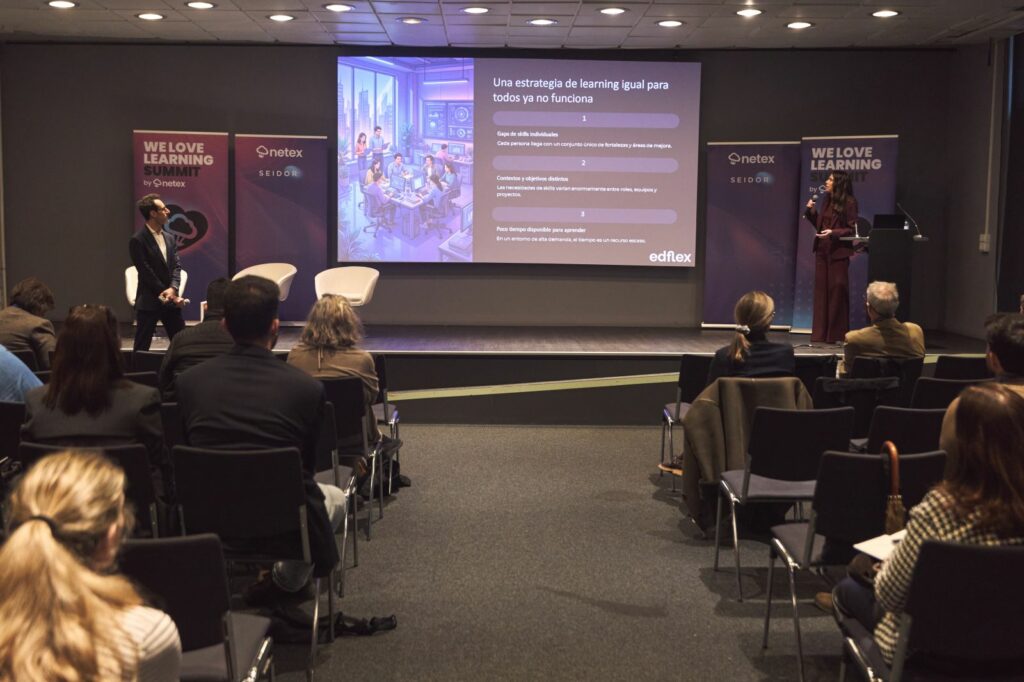
“Fixed roles don’t exist anymore. Skills are constantly changing. Learning processes can be broken down into tasks and skills that are combined far more flexibly,” Conforti explained. “That’s why we need skills maps. Skills mapping isn’t an HR exercise, it’s an organisational one.”
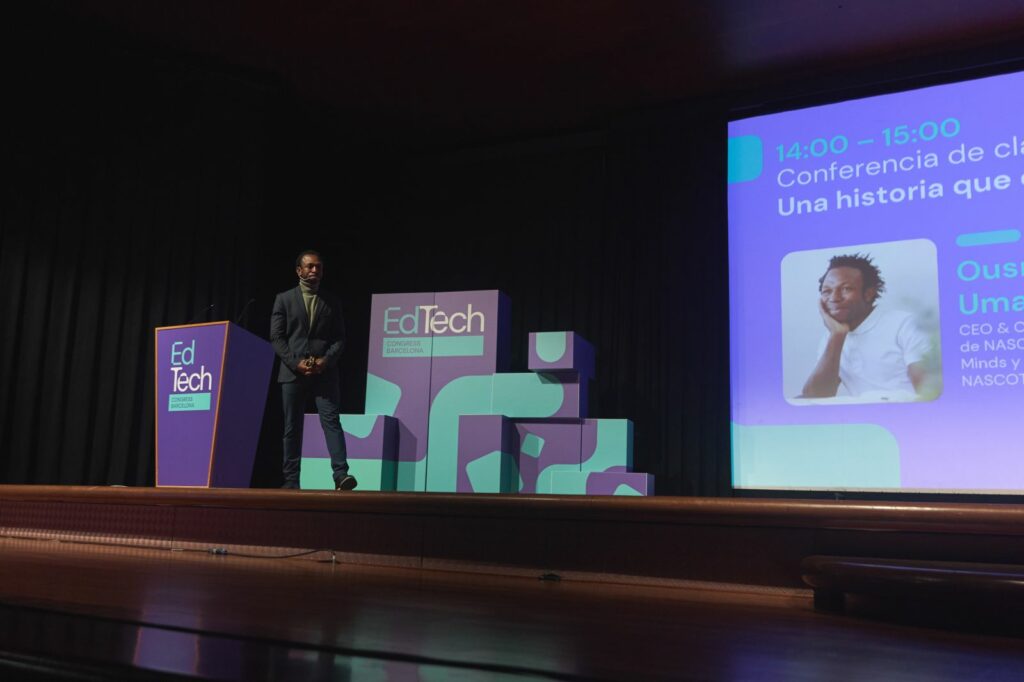
The day concluded with a keynote by Ousman Umar, CEO and founder of Nasco Feeding Minds, who broadened the perspective beyond the corporate environment, reminding attendees that education remains one of the most powerful tools for creating opportunity and driving development.
The 2026 edition underlined the role of learning in helping organisations adapt and sustain productivity in a context of rapid technological progress, where change is no longer temporary, but structural.
